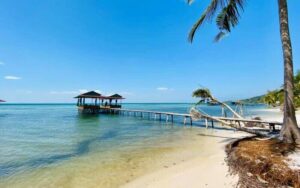
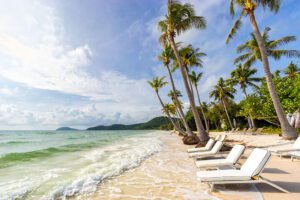

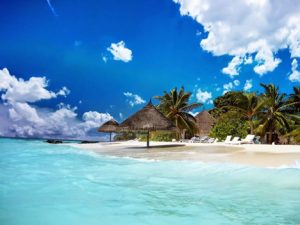
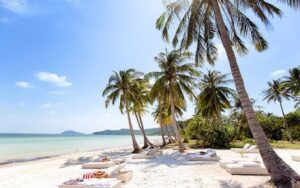

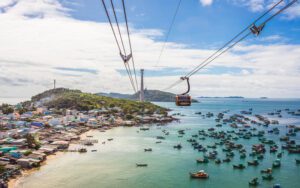
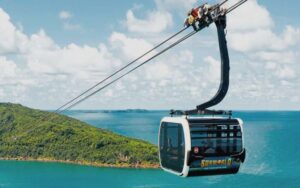
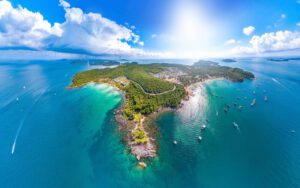
Phu Quoc tours are designed for travelers seeking Vietnam’s most complete island experience, combining white-sand beaches, tropical forests, offshore archipelagos, fishing villages, and distinctive island cuisine. Located in An Giang province, Phu Quoc is the largest island in Vietnam and is often called “Pearl Island” (Dao Ngoc) thanks to its natural beauty and marine resources. This guide answers the most important questions travelers ask before booking Phu Quoc tours: when to visit, where to go, and what to eat, using accurate and up-to-date information.
The best time to visit Phu Quoc is from November to March. During this period, the island experiences dry, sunny weather with lower humidity and calm seas, making it ideal for swimming, snorkeling, island hopping, and sunset watching. Temperatures remain warm but comfortable, especially compared to mainland southern Vietnam.
Phu Quoc has two main seasons: the dry season (December to early April) and the rainy season (mid-April to November). While travel is still possible in April and late October, the months from July to September are affected by monsoon storms, which can impact boat tours and marine activities.
>>> Read more: The best time to visit Vietnam
The best places to visit in Phu Quoc include its southern beaches, northern fishing villages, offshore islands, pepper farms, pagodas, and historical sites. Phu Quoc tours typically combine relaxation with light cultural exploration and nature-based activities.
The most beautiful beaches in Phu Quoc are Bai Dai, Ong Lang Beach, Ganh Dau Beach, Sao Beach, Khem Beach, Rach Vem, and Vong Beach. Each beach offers a slightly different atmosphere, from luxury resort zones to quiet fishing communities.
Bai Dai is one of the longest and most impressive beaches on the island. With its wide sandy shoreline and peaceful environment, Bai Dai is ideal for long walks, sunset views, and resort stays.
Ong Lang Beach offers a quieter alternative to central beaches. Located on the west-central coast, it is known for palm-lined shores and rocky outcrops, attracting travelers who prefer a more relaxed atmosphere.
Ganh Dau Beach is famous for calm waters and views toward Cambodia. Situated in the northwest, it provides a peaceful setting with fishing boats visible offshore.
Sao Beach (a.k.a. Starfish Beach) is the most iconic white-sand beach in Phu Quoc. Located in the southern part of the island, Sao Beach is known for its fine white sand and turquoise water, making it a highlight of most Phu Quoc tours.
Khem Beach is a smaller and less crowded beach near Sao Beach. Surrounded by tropical greenery, it is increasingly known for boutique resorts while still retaining its natural beauty.
Rach Vem is famous for its floating seafood houses and starfish sightings. Located in the north, it offers a more rustic, local experience compared to southern resort areas.
Vong Beach is the main passenger boat terminal area. Though less touristy, it offers scenic views toward Phu Quoc National Park and serves as an important transportation hub.
The most popular islands near Phu Quoc are Mong Tay Island, Xuong Island, May Rut Ngoai, May Rut Trong, and Mot Island. These islands are more pristine and are typically accessed via speedboat tours from An Thoi.
Mong Tay Island is completely uninhabited and ideal for peaceful snorkeling. Without major resorts or clubs, it offers camping, swimming, and diving in a quiet setting.
Xuong Island is best for scuba diving and deep-water snorkeling. Its turquoise water and underwater caves make it attractive for marine exploration.
May Rut Ngoai is known for white sand and calm waves. Located near An Thoi, it is frequently included in island-hopping tours.
May Rut Trong is famous for coral reefs and squid fishing. The island’s coconut-lined shores and clear water attract snorkelers.
The most important spiritual sites in Phu Quoc are Sung Hung Pagoda, Hung Long Tu Pagoda, and Dinh Cau Temple. These landmarks provide insight into the island’s local beliefs and maritime traditions.
Sung Hung Pagoda is the most visited Buddhist site on the island. Located in Duong Dong town, it is surrounded by lush trees and offers a peaceful retreat.
Dinh Cau Temple and Dinh Cau Rock are iconic coastal landmarks. Situated at the mouth of the Duong Dong River, the uniquely shaped rock formation and shrine are closely associated with local fishermen’s spiritual practices. Visitors should dress respectfully when entering temples, covering shoulders and wearing long trousers.
Phu Quoc Prison is the island’s most important historical site. Built between 1949 and 1950 during French colonial rule and later used during the Vietnam War, the prison displays historical exhibits, including the infamous “tiger cages”, offering sobering insight into Vietnam’s colonial-era struggles.
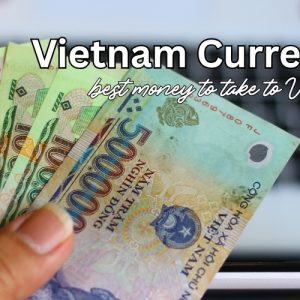
Vietnam currency is the Vietnamese dong, written as VND or ₫. For most trips, the easiest approach is to pay everyday expenses…
If you are flying into Vietnam through Ho Chi Minh City, Hanoi, Da Nang, Nha Trang, or Phu Quoc, you will likely…
The thirteenth day is where this two-country trip earns its depth. A Vietnam and Cambodia in 13 Days itinerary keeps the classic…
